Did you know that you can stop tooth decay in its earliest stage?
Tooth decay or dental caries can start in the sneakiest way possible, but it can be reversible if you catch it in its earliest stage. However, most patients only see the dentist when they have already started feeling signs of pain and infection, which can be too late for the tooth to be saved.
In this post, we will share the perks of being proactive in preventing tooth decay. As a trusted dentist in Charlotte and Concord Mills, Modern Family Dental Care aims to impart the value of the time in preserving the natural teeth of patients and more savings on dental costs.
What are the early signs of tooth decay?
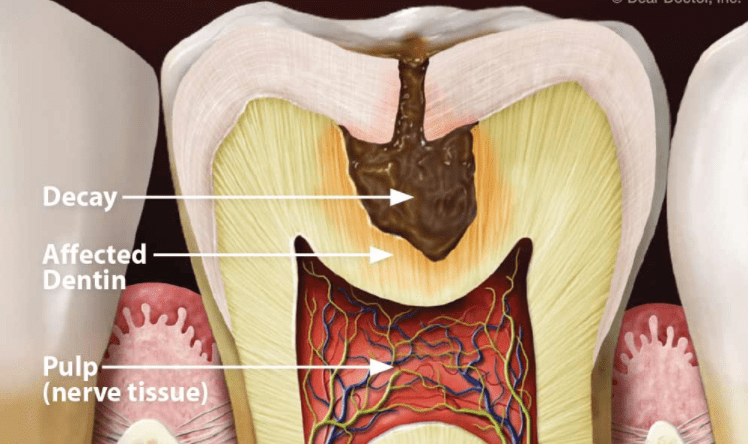
Tooth decay happens when the disease-causing bacteria in dental plaque produce acids that break down the tooth enamel or the outer layer of the tooth. It has five stages divided into three categories which help dentists identify which procedure will be the ideal solution. These include:
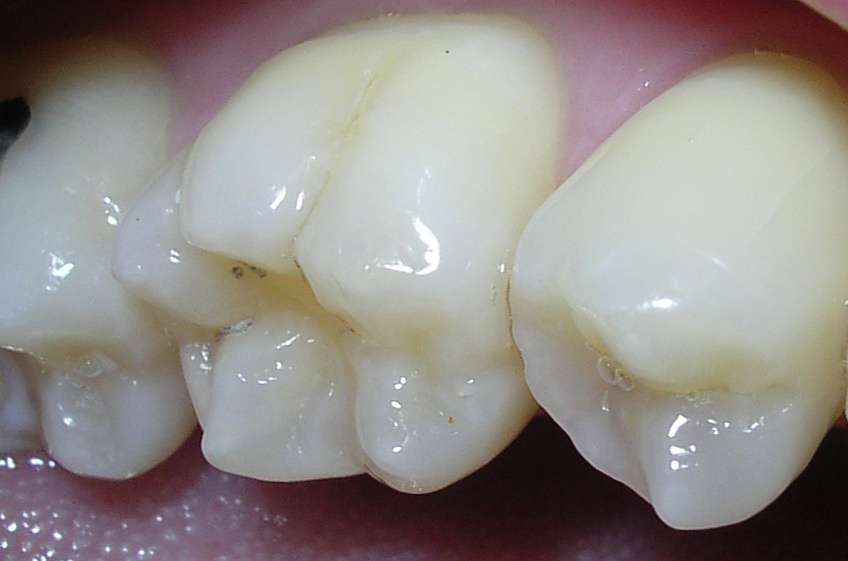
Mild or early-stage tooth decay: Unknown to many patients, tooth decay begins with the white spots on the surface of the natural tooth which indicates demineralization.
When the acids from plaque have successfully weakened the tooth, you will start to see enamel decay or the small black spots on your tooth. At this stage, there are no symptoms like pain and tooth sensitivity.
Moderate tooth decay: When the tooth decay gets through the tooth enamel, the next stage will be dentin decay. During this stage, you will start to feel tooth sensitivity, and the damage in your tooth gets closer to the tooth pulp. It can be easily fixed with tooth fillings.
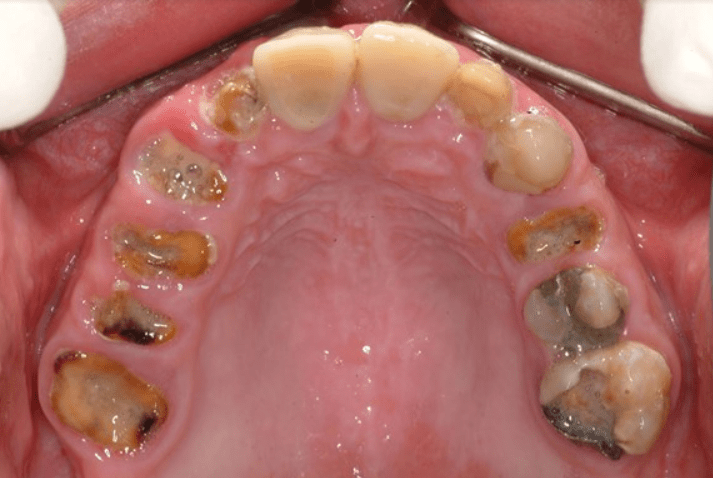
Severe tooth decay: You’ll know when tooth decay is at its severe stage when it has progressed to the tooth pulp where nerves and blood vessels are located. Since the tooth pulp has been compromised, the only option is either a root canal or tooth extraction.
Benefits of catching tooth decay early
If you failed to prevent cavities, the next best thing that you can do is to fix them as soon as possible. Doing so can help you reap the following benefits:
#1 Potential injection-free dentistry
If you fear needles and injections, your chance of avoiding them is high when you treat enamel decay early. Since there is less pain and sensitivity when working on the tooth enamel, there’s less chance for you to need a local anesthetic for treatments like fillings.
#2 Save more of your natural tooth
Early detection and treatment of cavities help keep the structure of the affected tooth intact. It is still sturdy enough to absorb pressure from your biting force. Your smile also remains unaffected by the minor treatments on the tooth.
#3 Prevents toothache and tooth sensitivity
We all know that toothache from cavities hits differently. If you prevent enamel decay from turning into dentin decay, you are saving yourself from painful and stinky symptoms like:
One of the common issues why most patients shy away from the dentist is the fear of having invasive dental work. The beauty of being proactive about your oral health is it prevents any major restorations by patching up the small problems before they blow up into a full-blown infection.
#5 Savings on dental cost
It’s not uncommon that dental treatments can be expensive, especially when it comes to invasive dental treatments. It is also why Dr. Taj and other dentists are keen on reminding patients to visit them regularly to prevent turning a simple fluoride treatmentinto a root canal therapy.
Be one step ahead of tooth decay with Modern Family Dental Care
Investing your time, effort, and resources to maintain your oral health is something that will keep you out of pain and financial stress in the future. Also, always remember to stick to the basics of dental hygiene by brushing your teeth with fluoride toothpaste and avoid eating or drinking sugary foods and drinks.
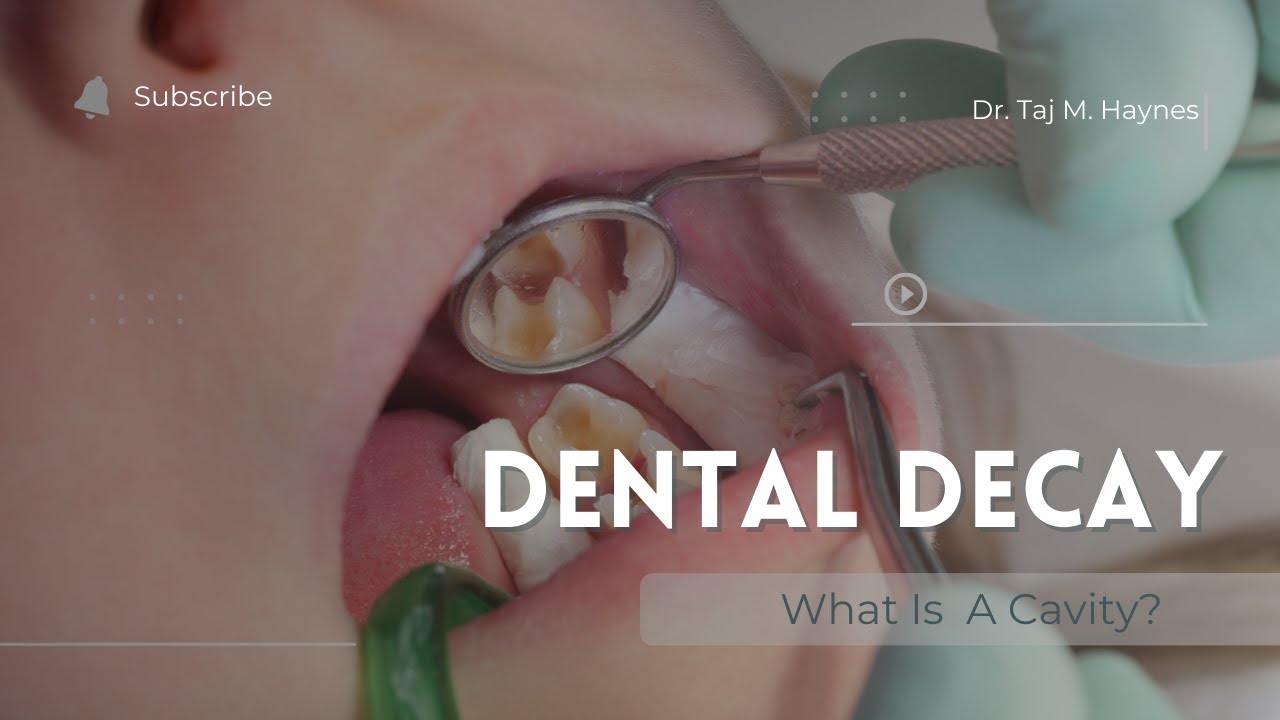
Catch the sneaky bacteria that try to infiltrate your natural teeth by treating early signs of cavities with Dr. Taj. Check out how he discusses mild cavities and the importance of early prevention:
Essential cookies enable basic functions and are necessary for the proper function of the website.
Name
Description
Duration
Cookie Preferences
This cookie is used to store the user's cookie consent preferences.
30 days
Google Tag Manager simplifies the management of marketing tags on your website without code changes.
Name
Description
Duration
cookiePreferences
Registers cookie preferences of a user
2 years
td
Registers statistical data on users' behaviour on the website. Used for internal analytics by the website operator.
session
UserWay is an AI-powered accessibility widget that scans a website for WCAG and ADA accessibility issues and gives visitors on-page tools to adjust contrast, font size, navigation, and other display settings.
Contains information related to marketing campaigns of the user. These are shared with Google AdWords / Google Ads when the Google Ads and Google Analytics accounts are linked together.
90 days
__utma
ID used to identify users and sessions
2 years after last activity
__utmt
Used to monitor number of Google Analytics server requests
10 minutes
__utmb
Used to distinguish new sessions and visits. This cookie is set when the GA.js javascript library is loaded and there is no existing __utmb cookie. The cookie is updated every time data is sent to the Google Analytics server.
30 minutes after last activity
__utmc
Used only with old Urchin versions of Google Analytics and not with GA.js. Was used to distinguish between new sessions and visits at the end of a session.
End of session (browser)
__utmz
Contains information about the traffic source or campaign that directed user to the website. The cookie is set when the GA.js javascript is loaded and updated when data is sent to the Google Anaytics server
6 months after last activity
__utmv
Contains custom information set by the web developer via the _setCustomVar method in Google Analytics. This cookie is updated every time new data is sent to the Google Analytics server.
2 years after last activity
__utmx
Used to determine whether a user is included in an A / B or Multivariate test.
18 months
_ga
ID used to identify users
2 years
_gali
Used by Google Analytics to determine which links on a page are being clicked
30 seconds
_ga_
ID used to identify users
2 years
_gid
ID used to identify users for 24 hours after last activity
24 hours
_gat
Used to monitor number of Google Analytics server requests when using Google Tag Manager
1 minute
Google reCAPTCHA helps protect websites from spam and abuse by verifying user interactions through challenges.
Name
Description
Duration
_GRECAPTCHA
Google reCAPTCHA sets a necessary cookie (_GRECAPTCHA) when executed for the purpose of providing its risk analysis.
179 days
Marketing cookies are used to follow visitors to websites. The intention is to show ads that are relevant and engaging to the individual user.
Facebook Pixel is a web analytics service that tracks and reports website traffic.
early cavity, tooth decay self care, early enamel decay, severe tooth decay, early stage tooth decay, early cavities, small tooth decay, best dentist near me, concord nc dentist, major tooth decay, cavities, cavity treatments, alternative cavity treatments, dentist near me, early decay, tooth cavities, dental cavities, tooth decay, best concord nc dentist, tooth decay risk, what causes cavities, what is tooth decay, what causes tooth decay, tiny black spot on tooth no pain, cavity causes, tooth decay treatment, early cavity treatment, early detection dental care, early cavity prevention, catch early cavities to treat at home, early oral care advantages, early dental restoration benefits, early cavity treatment benefits, cavity treatment advantages, early dental diagnostics benefits, early dental treatment benefits, tooth decay treatment advantages, early detection oral health benefits
Understanding Stages of Tooth Decay
Tooth decay progresses through various stages, starting with mild demineralization and eventually leading to significant damage if left untreated. By recognizing the early signs, patients can seek prompt intervention to prevent more severe issues.
The stages of tooth decay include enamel decay, dentin decay, and pulp involvement. Identifying decay in the initial enamel stage allows for non-invasive treatments to remineralize the tooth and halt the progression of the disease.
Importance of Regular Dental Checkups
Routine dental examinations are crucial for detecting and addressing tooth decay in its earliest stages. Regular visits enable dental professionals to identify issues before they become severe, allowing for timely and less invasive interventions.
By scheduling biannual checkups, patients can take a proactive approach to their oral health and avoid the need for more complex and costly procedures down the line. Early detection and treatment can significantly improve long-term dental outcomes.
Maintaining Oral Hygiene at Home
Alongside professional dental care, proper at-home oral hygiene practices play a vital role in preventing and managing tooth decay. Brushing, flossing, and using fluoride-containing products can help strengthen tooth enamel and reduce the risk of decay.
Incorporating these daily habits, along with a balanced diet and avoiding sugary or acidic foods and drinks, can further support the overall health of one's teeth and gums, complementing the care provided by a dental professional.
Advancements in Dental Technology
Modern dental techniques and technologies have significantly improved the ability to detect and treat tooth decay in its earliest stages. Innovative diagnostic tools, such as digital X-rays and intraoral cameras, allow dentists to identify areas of demineralization that may not be visible to the naked eye.
Furthermore, minimally invasive restorative procedures, like tooth-colored fillings, can be used to address small cavities without compromising the structural integrity of the tooth. These advancements enable dentists to provide more conservative and effective treatments, ultimately benefiting the patient's oral health.