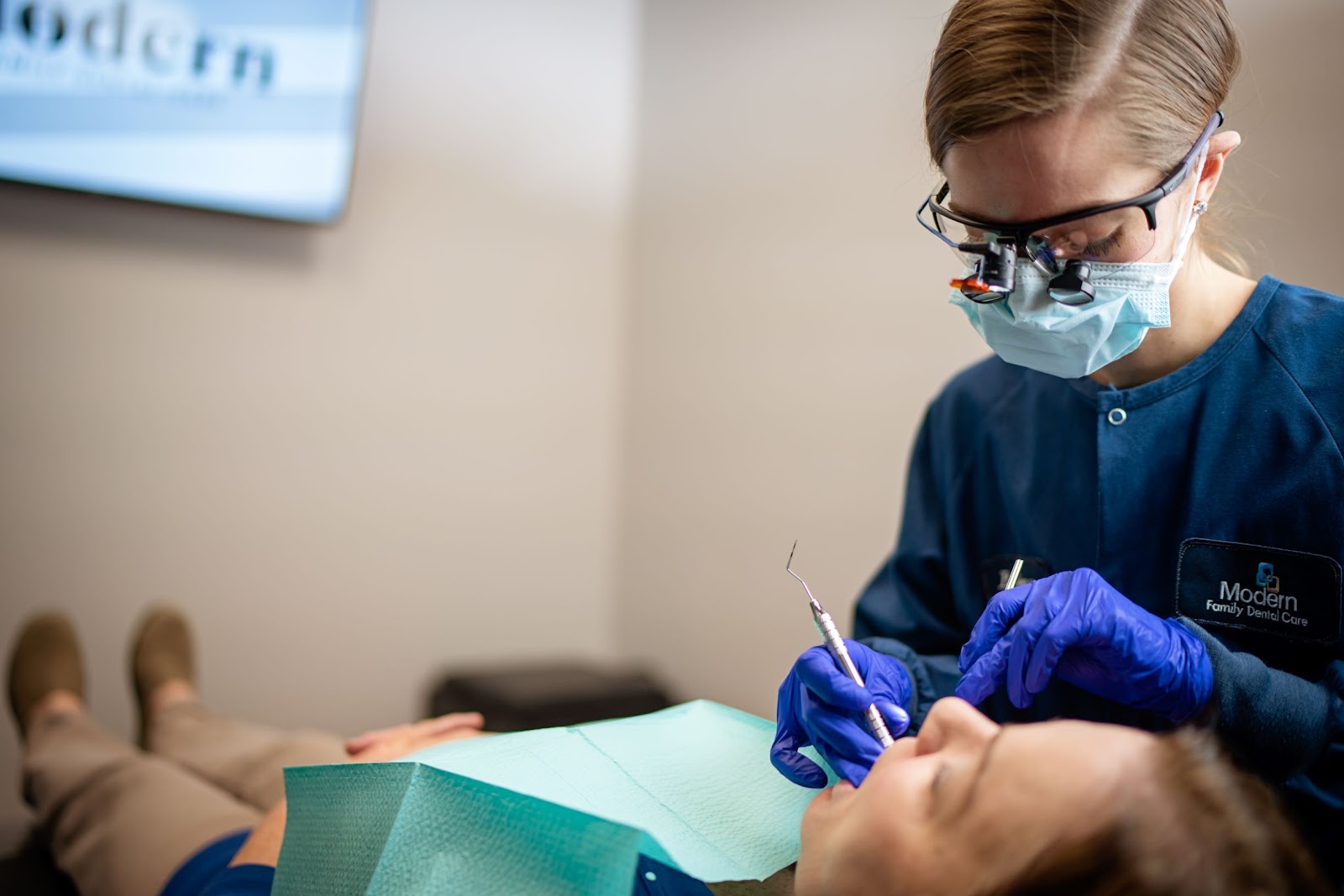
A toothache, especially a severe one is a dreaded experience for many. Most often, only your dentist can resolve this through proper dental care. When the cause of your toothache is due to excessive decay, damage or infection, a tooth extraction will be done. Cases like tooth overcrowding may warrant a tooth to be removed to correct spacing and alignment problems.
But what happens after a tooth extraction? Your dentist should provide you aftercare instructions to minimize possible complications, such as swelling, bleeding and infection. You should be able to care properly for the extraction site, otherwise, problems may arise.
Common Complications After Surgery
Swelling
Swelling is a normal complication after tooth extraction because the tooth is pulled from the socket. This should be observed closely. The swelling should be gone as the extraction area heals within a few days. If the extraction causes extended pain, it can be due to an infection, and it should be treated immediately.
Bleeding
The extraction site will definitely cause some bleeding but it should be minimal and should be controlled almost immediately. The gauze shouldn’t be removed within one to two hours and resting is necessary. Also, avoid doing strenuous activities within 24 hours after the procedure. If you are not able to follow these instructions, then bleeding might persist.
There are also conditions and medications that may result in increased or excessive bleeding, such as hemophilia or taking anticoagulants, aspirin and non-steroidal analgesics. Your medical history should be known to the dentist prior to having a tooth extraction.
Infection
Infection can happen after a tooth extraction. This is why dentists pro-actively prescribe medication for pain and swelling and an antibiotic when infection arises. But one should only take them per the doctor’s instructions.
Increased bleeding, pain, swelling and pus may indicate an infection. This should be dealt with immediately by going back to the dentist to avoid further risks.
7 Tips to Avoid Complications After a Tooth Extraction
1. Don’t Smoke – No Tobacco, Whatsoever
Smoking can inhibit healing. This is because the level of oxygen in your blood decreases when you smoke. Oxygen is important to your wound healing.
2. Be Careful of the Extraction Area When Brushing
Brushing your teeth will certainly remove dirt and bacteria that can cause an infection. But be sure to avoid the extraction site to avoid bleeding and other complications.
3. Don’t Use Alcohol-Based Mouthwash
Sure you want to keep your mouth clean but avoid using alcohol-based mouthwash as it can irritate and excessively dry the extraction site.
4. Eat Soft Foods
You can only eat soft foods after the extraction. Start with soups, yogurts and puddings and gradually add solid foods to your diet. Make sure to give ample time for the wound to heal.
5. Stay Away from Grains (e.g. Granola, Rice)
Grains can get stuck in the extraction site that will prevent the wound from healing and may cause infection when not properly removed. Nuts and chips are also not advisable after a tooth extraction because they can reopen the wound and delay its healing.
6. Avoid Rinsing or Spitting Forcefully
Too much rinsing will make the extraction area wet and moist which can hamper the healing process. Spitting forcefully can dislodge the clot and can cause increased bleeding.
7. Use Warm Salt Water Rinses (for 1 week)
Warm water is relaxing to the extraction site. It can reduce pain and speed up healing. On the other hand, saltwater has an antibacterial property that helps prevent infection. A warm saltwater solution is even more effective.
Avoid Complications by Choosing MFDC for Tooth Extractions
They say, “It takes two to tango” to make things work. A good partnership is essential in dental care. As a patient, you need a dentist whom you can trust with your oral health. A good dentist will give you reliable tooth extraction aftercare instructions to prevent future complications.
That’s who we are! Modern Family Dental Care offers the best tooth extraction treatment and aftercare in Charlotte. We make sure that your tooth extraction procedure will be a breeze and pain-free. We also minimize complications and risks by providing the necessary medication and aftercare instructions.
Essential cookies enable basic functions and are necessary for the proper function of the website.
Name
Description
Duration
Cookie Preferences
This cookie is used to store the user's cookie consent preferences.
30 days
Google Tag Manager simplifies the management of marketing tags on your website without code changes.
Name
Description
Duration
cookiePreferences
Registers cookie preferences of a user
2 years
td
Registers statistical data on users' behaviour on the website. Used for internal analytics by the website operator.
session
UserWay is an AI-powered accessibility widget that scans a website for WCAG and ADA accessibility issues and gives visitors on-page tools to adjust contrast, font size, navigation, and other display settings.
Contains information related to marketing campaigns of the user. These are shared with Google AdWords / Google Ads when the Google Ads and Google Analytics accounts are linked together.
90 days
__utma
ID used to identify users and sessions
2 years after last activity
__utmt
Used to monitor number of Google Analytics server requests
10 minutes
__utmb
Used to distinguish new sessions and visits. This cookie is set when the GA.js javascript library is loaded and there is no existing __utmb cookie. The cookie is updated every time data is sent to the Google Analytics server.
30 minutes after last activity
__utmc
Used only with old Urchin versions of Google Analytics and not with GA.js. Was used to distinguish between new sessions and visits at the end of a session.
End of session (browser)
__utmz
Contains information about the traffic source or campaign that directed user to the website. The cookie is set when the GA.js javascript is loaded and updated when data is sent to the Google Anaytics server
6 months after last activity
__utmv
Contains custom information set by the web developer via the _setCustomVar method in Google Analytics. This cookie is updated every time new data is sent to the Google Analytics server.
2 years after last activity
__utmx
Used to determine whether a user is included in an A / B or Multivariate test.
18 months
_ga
ID used to identify users
2 years
_gali
Used by Google Analytics to determine which links on a page are being clicked
30 seconds
_ga_
ID used to identify users
2 years
_gid
ID used to identify users for 24 hours after last activity
24 hours
_gat
Used to monitor number of Google Analytics server requests when using Google Tag Manager
1 minute
Google reCAPTCHA helps protect websites from spam and abuse by verifying user interactions through challenges.
Name
Description
Duration
_GRECAPTCHA
Google reCAPTCHA sets a necessary cookie (_GRECAPTCHA) when executed for the purpose of providing its risk analysis.
179 days
Marketing cookies are used to follow visitors to websites. The intention is to show ads that are relevant and engaging to the individual user.
Facebook Pixel is a web analytics service that tracks and reports website traffic.
tooth extraction care, oral health extraction care, how to stop tooth pain fast at home at night, tooth extraction, what is an extraction, how is a tooth extracted, post-op care tooth extraction, modern dental aftercare, dental extraction aftercare, post dental extraction care, post extraction care advice, post extraction care, tooth extraction after care, extraction aftercare tips
****
Understanding Tooth Extraction Aftercare
Proper aftercare is crucial following a tooth extraction to ensure a smooth recovery and minimize complications. This section covers the essential steps patients should take to promote healing and prevent issues like swelling, bleeding, or infection.
By following your dentist's instructions and being attentive to any changes, you can help ensure a successful outcome and a return to normal oral function. Adhering to a soft food diet, avoiding certain activities, and maintaining good oral hygiene are all important aspects of effective tooth extraction aftercare.
Recognizing and Addressing Extraction Complications
While most tooth extractions heal without issue, it's important to be aware of potential complications that may arise. Common concerns include persistent bleeding, severe pain, swelling, and signs of infection, such as pus or fever.
If any of these issues occur, it's crucial to contact your dentist immediately. They can provide guidance on how to manage the problem and determine if additional treatment is needed. Prompt attention can help prevent complications from worsening and ensure a successful recovery.
Choosing the Right Dentist for Tooth Extractions
When faced with the need for a tooth extraction, selecting an experienced and reputable dentist is crucial. A skilled professional can perform the procedure safely, minimize discomfort, and provide comprehensive aftercare instructions to support healing.
Look for a dentist who uses the latest techniques, prioritizes patient comfort, and has a track record of successful outcomes. They should also be able to offer alternatives, such as dental implants, to help preserve your oral health and restore your smile.
Dental Implants: A Permanent Solution for Missing Teeth
For many patients, dental implants represent an excellent option to replace missing teeth following an extraction. Implants are designed to mimic the structure and function of natural teeth, providing a stable, long-lasting solution.
By working closely with your dentist, you can explore the benefits of dental implants, including improved chewing ability, enhanced facial aesthetics, and the prevention of bone loss. This treatment can help you regain your confidence and maintain optimal oral health.
tooth extraction care, oral health extraction care, how to stop tooth pain fast at home at night, tooth extraction, what is an extraction, how is a tooth extracted, post-op care tooth extraction, modern dental aftercare, dental extraction aftercare, post dental extraction care, post extraction care advice, post extraction care, tooth extraction after care, extraction aftercare tips
****
Understanding Tooth Extraction Aftercare
Proper aftercare is crucial following a tooth extraction to ensure a smooth recovery and minimize complications. This section covers the essential steps patients should take to promote healing and prevent issues like swelling, bleeding, or infection.
By following your dentist's instructions and being attentive to any changes, you can help ensure a successful outcome and a return to normal oral function. Adhering to a soft food diet, avoiding certain activities, and maintaining good oral hygiene are all important aspects of effective tooth extraction aftercare.
Recognizing and Addressing Extraction Complications
While most tooth extractions heal without issue, it's important to be aware of potential complications that may arise. Common concerns include persistent bleeding, severe pain, swelling, and signs of infection, such as pus or fever.
If any of these issues occur, it's crucial to contact your dentist immediately. They can provide guidance on how to manage the problem and determine if additional treatment is needed. Prompt attention can help prevent complications from worsening and ensure a successful recovery.
Choosing the Right Dentist for Tooth Extractions
When faced with the need for a tooth extraction, selecting an experienced and reputable dentist is crucial. A skilled professional can perform the procedure safely, minimize discomfort, and provide comprehensive aftercare instructions to support healing.
Look for a dentist who uses the latest techniques, prioritizes patient comfort, and has a track record of successful outcomes. They should also be able to offer alternatives, such as dental implants, to help preserve your oral health and restore your smile.
Dental Implants: A Permanent Solution for Missing Teeth
For many patients, dental implants represent an excellent option to replace missing teeth following an extraction. Implants are designed to mimic the structure and function of natural teeth, providing a stable, long-lasting solution.
By working closely with your dentist, you can explore the benefits of dental implants, including improved chewing ability, enhanced facial aesthetics, and the prevention of bone loss. This treatment can help you regain your confidence and maintain optimal oral health.